Crochet Pattern

Posted by :
Stoutomaster
4.95 (142 reviews)
Updated Sep 2026
Flower Crochet Pattern: Agapanthus Flower Design
If you’re looking for a flower crochet pattern that stands out from the rest, the Agapanthus Flower is a beautiful and unique design to try. With its layered petals in shades of purple, this pattern creates a stunning granny square flower that can be used in blankets, cushions, wall hangings, or decorative projects.
HOOK
3.5 mm Crochet Hook
YARN
Double Crochet (DK) Cotton Yarn
Double Crochet (DK) Cotton Yarn
ALSO AVAILABLE ON:
INTRODUCTION
About This Pattern
Crochet Flower Pattern: Agapanthus Flower
This crochet flower pattern is inspired by the Agapanthus bloom, often known as the African Lily. The design is worked in rounds, beginning with a magic ring, and builds up to 12 rounds to complete the flower motif. Each round develops the shape and depth of the petals, creating a realistic and textured floral look.
The tutorial includes step-by-step instructions with clear photos for every round, making it suitable even for those who are newer to crocheting flowers. With patience and a love for detail, you’ll have a flower square that looks intricate but is surprisingly fun to make.
Materials and Yarn for the Crochet Flower
For the example shown, the Agapanthus flower crochet pattern is worked using DK cotton yarn with a 3.5 mm crochet hook. The mix of light and dark purples helps highlight the flower’s natural depth, but the color choice is completely up to you.
The best part is that this pattern works well with almost any yarn type, so you can adjust depending on your project. Use cotton for sharp stitch definition, acrylic for blankets, or wool for a cozy and warm finish.
How the Crochet Flower Pattern is Worked
- Begins with a magic ring
- Worked in 12 rounds
- Builds petal detail gradually with each round
- Creates a large crochet flower square
Once complete, you’ll have a decorative motif that can be used as a standalone piece or joined with other granny squares to create a larger project like a blanket or afghan.
COMPLETE PROJECT INVENTORY
Materials, Yardage Breakdown & Fiber Selection
Engineered for stash-busting joy or a disciplined heirloom palette. Every yardage estimate includes our recommended 10% tension buffer so you never run out on round 6 of the final corner.
Disclosure: As an Amazon Associate, I earn from qualifying purchases.
MAKER STUDIO LAB
Interactive Yarn & Sizing Calculator
Planning a custom baby blanket, lapghan, or super king bedspread? Adjust dimensions below to instantly calculate square counts, skeins needed, and total meters with our built-in yarn tension buffer.
PDF STORES
Upgrade to PDF Pattern
Limited-Time Deals
Promotions & Special Bundles
Take advantage of our maker promotions, volume discounts, and instant digital downloads.
Website Direct Sale
Ends: Promotion ends :
35% Raverly Sale
Unlock row-by-row blankets, botanical squares, and wearable patterns with instant PDF delivery.
APPLY COUPON AT CHECKOUT:
No code needed
Etsy Store Exclusive
Save 30% Auto
PROMO CODE : STOUTO30OFF
Get 30% off any flower motifs, throw blankets, or cushion patterns on Etsy. Use Promocode .
Open Etsy Store
Over 847 ★★★★★ reviews
Direct PDF Perks
Lifetime Access
VIP Maker Direct Delivery Guarantee
- Instant PDF download link right after purchase
- Formatted for home printing & tablet row-checkers
- Free errata notifications and chart expansions
RESIZING
Written Instructions
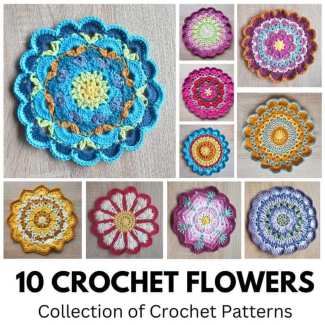
The Agapanthus flower crochet pattern is a rewarding project that combines texture, color, and creativity into one beautiful square. With its step-by-step instructions and detailed photo guide, you’ll enjoy watching each round grow into a blooming masterpiece.
If you’re ready to add floral charm to your crochet projects, download the pattern today and explore the full collection of crochet flower patterns available in the bundle.
Skills required:
- Understand the basics of working in the round.
- Joining different yarn colors and how to end and finish rows.
- This tutorial is a written pattern and includes step-by-step instructions, round images, and a stitch diagram
Techniques used:
All crochet squares are worked in the round, ensure that your final row count per side is correct or you will struggle to join your block at a later stage.
Gauge is not important, but it's best to stick to the same yarn weight and crochet hook thru-out making your squares or your squares would not match up.
Work on working on your ends, as you work your way around, this will help you at the end when it comes to finishing the blanket unless you love spending a day at least to work on loose ends.

STITCHES
Quick Stitch Guide
.
US Stitch Terminology : Abbreviations
-
2 Double Crochet - 2dc
-
Back Post Half Double Crochet - bphdc
-
Back Post Single Crochet - bpsc
-
Chain Stitch - ch
-
Chain Space - ch-sp
-
Double Crochet - dc
-
Front Post Double Crochet - fpdc
-
Front Post Half Double Crochet - fphdc
-
Half Double Crochet - hdc
-
Next - nxt
-
Puff Stitch - puff
-
Repeat from * - rep from *
-
Repeat Rows - rep rows
-
Single Crochet - sc
-
Shell Stitch - sh
-
Slip Stitch - sl st
-
Space After - sp after
-
Space Before - sp before
-
Stitches - sts
-
V Stitch - v st
-
Yarn Over - yo
All stitch instructions are available in both US Crochet Terminology and UK Crochet Terminology, making it easy to follow along using the terms you are most familiar with.
If you are new to any of the stitches used in this pattern, we recommend reviewing the relevant stitch guide before starting. Each guide includes step-by-step instructions, helpful tips, and stitch terminology conversions where applicable.
Take your time, practice any unfamiliar stitches, and most importantly—enjoy the process of creating your blanket one row at a time.
Back Post Single Crochet - bpsc
UK : bpdc - back post double crochet
AFR : abkb/askb - agterste been kortbeentjie / Agter stam kortbeentjie / agter-paal enkelhekel
UK : bpdc - back post double crochet
AFR : abkb/askb - agterste been kortbeentjie / Agter stam kortbeentjie / agter-paal enkelhekel
1. Insert hook back→front→back around the post of stitch below.
2. Yarn over, pull up loop (2 loops).
3. Yarn over, pull through both loops.
PATTERN STORES
Upgrade to PDF Pattern
.
FREE PATTERN
Step by Step
.
⚠️ This pattern is for personal use only. Please do not copy or redistribute.
NOTICE
Pattern Update Notice
Previous buyers can request an updated PDF, or use the free instructions on this page.
What Other Crocheters Say
This pattern hasn’t been reviewed yet.
Be the first to share your experience and help other crocheters.
Pattern Copyright & Usage
This crochet pattern and all associated content are the original work of Stouto Crochet.
- ✔️ Personal use allowed
- ✔️ Sell finished handmade items (small-scale)
- ❌ Do not copy, rewrite, or redistribute
- ❌ Do not share or resell PDF patterns
AI & Content Use: This pattern may not be reproduced or used to train AI systems.
FAQ
Frequently Asked Questions
.