
Temperature Blanket
Track your year in color with crochet temperature blanket patterns. Fun, creative, and customizable designs for every season.

Everything You Need to Know About
Temperature Blanket
Welcome to our collection of crochet temperature blanket patterns, a heartfelt and creative way to record the rhythm of the seasons and craft a meaningful keepsake you’ll treasure forever.
Whether you’re marking a special year, creating a family heirloom, or just enjoying the daily practice of crochet, temperature blankets are a perfect blend of beauty, routine, and personal storytelling.
Guides & Tips for making your temperature blanket a success
New to temperature blankets or want to customize your own? These in depth guides will help:
Why Make a Temperature Blanket?
Whether you’re marking a milestone year like a new baby, graduation, or anniversary—or simply finding daily calm in the rhythm of yarn and color, a temperature blanket is:
- Relaxing
- Skill Building
- Customizable
- Emotionally meaningful
When can I start a crochet temperature blanket?
You can start you temperature blanket any time; summer, spring, fall, or winter. Find the 12-month printable journal here.
It is perfect for beginning your temperature blanket project any day of the year, the blanket journal helps you stay organized with dedicated templates to track yarn details, daily temperatures, and overall project progress.
How to Make a Temperature Blanket Gauge Swatch
Creating a gauge swatch is essential when working on temperature blanket patterns. This small sample helps ensure that your stitches, yarn, and hook or needle size will create a blanket that matches your intended dimensions.
To make a swatch, choose the stitch you'll use throughout your blanket and crochet or knit a 4"x4" square.
Measure your stitches and rows, and adjust your hook or needle size accordingly. A wellmade swatch ensures your yearlong project stays consistent in size and texture.
How to Create a Custom Color Chart for Your Climate
A custom color chart makes temperature blanket patterns truly personal. Start by researching your local climate’s average high and low temperatures throughout the year. Assign a different yarn color to each 5 or 10 degree range.
For example, 30 TO 39°F might be light blue, while 80 tO 89°F could be orange. This color chart becomes your reference for each day’s row, creating a vibrant, climate inspired design that’s unique to your location.
How to Track Daily Temperatures and Stay Organized
Consistency is key when following temperature blanket patterns, and staying organized helps you keep up with daily temperature tracking. Use a weather app or website to record the high (and optionally, low) temperature every day. You can jot these down in a notebook, spreadsheet, or even a special temperature blanket journal. Many crafters prefer to set aside a weekly time to crochet or knit rows based on their logged temperatures.
Best Yarn Types and Weights for Temperature Blankets
The best yarns for temperature blanket patterns are those that are durable, soft, and easy to care for. Acrylic yarns are a popular choice due to their affordability and wide range of colors, which is ideal for color-coding temperatures. Cotton blends are great for warmer climates. As for weight, most makers choose worsted (medium) weight yarn, which offers a good balance between warmth, drape, and manageable size for a yearlong project.
Choosing the Right Stitch for a Year Long Project
Since temperature blanket patterns require daily or weekly updates over a full year, selecting the right stitch is crucial. Simple, repetitive stitches like single crochet, moss stitch, or garter stitch are ideal, they’re quick to work and allow the colors to shine without overwhelming detail. The goal is to find a stitch that’s easy to pick up and continue with throughout the year, helping you maintain momentum and consistency.
Temperature Blanket Sizing Guide
When planning temperature blanket patterns, consider the final size of your blanket. A standard throw is typically 50"x60", while a twin bed size might be around 66"x90". The size depends on your stitch choice, yarn weight, and daily row count. You can adjust the number of stitches per row or opt for stripes that represent each week rather than each day. A gauge swatch can help you estimate the final dimensions and make adjustments early in the project.
Want to Stay Inspired?
Subscribe and join our mailing list for free pattern updates, temperature blanket ideas, and seasonal yarn color inspiration!
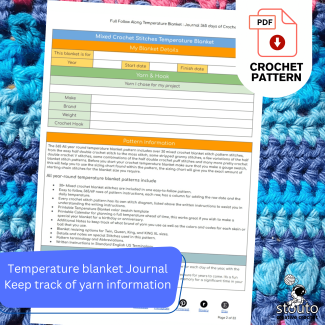
Free Temperature Blanket Pattern Ebooks, Guides and Printable Journals
3mm Crochet Hooks • Double Crochet (DK) Cotton Yarn • Cotton–Acrylic Blends
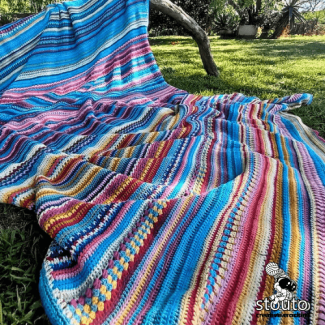
Crochet Temperature Blanket Pattern – 365 Rows of Mixed Stitches
3.5 mm Crochet Hook • Double Crochet (DK) Cotton Yarn • Cotton Yarn

Rainbow Patchwork: Crochet Granny Square Blanket Pattern
4mm Crochet Hooks • Double Crochet (DK) Cotton Yarn • Wool Acrylic Blend Yarns
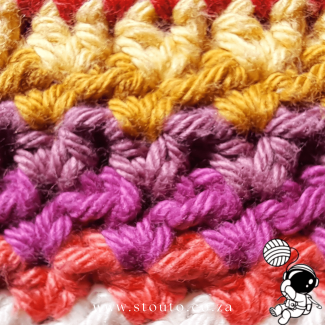
Easy Free Temperature Blanket Pattern Using 2HDC Stitch
3.5 mm Crochet Hook • Double Crochet (DK) Cotton Yarn • Double Crochet (DK) Cotton Yarn
Promotions & Special Bundles
Take advantage of our maker promotions, volume discounts, and instant digital downloads.
35% Raverly Sale
Unlock row-by-row blankets, botanical squares, and wearable patterns with instant PDF delivery.
PROMO CODE : STOUTO30OFF
Get 30% off any flower motifs, throw blankets, or cushion patterns on Etsy. Use Promocode .
Open Etsy StoreVIP Maker Direct Delivery Guarantee
- Instant PDF download link right after purchase
- Formatted for home printing & tablet row-checkers
- Free errata notifications and chart expansions
Frequently Asked Questions About
Temperature Blanket
Temperature Blanket
stouto.co.za • Stouto Creative Crochet
Love These Patterns? Share & Pin for Later!
Save this pattern hub to your favorite Pinterest boards, share with your crochet circle on Facebook, or copy the link for your next crafting weekend. Every share helps support independent artisan design!
Quick Social Sharing Links
Help fellow yarn enthusiasts discover tested row-by-row guides, free pattern downloads, and mindful crochet inspiration with one click:
Favorite Yarns, Craft Partners & Recommended Blogs
Discover our trusted yarn mills, partner craft platforms, and inspiring crochet friends. When you shop through these links, you support Stouto Creative Crochet at no extra cost to you.

LoveCrafts.com
Marketplace & Yarn HubShop pattern-matched yarn bundles, Stylecraft Special DK, Paintbox Yarns, and hooks with worldwide delivery.
Ravelry Store
Digital Pattern LibraryAdd Stouto patterns straight to your personal digital library, track project queues, and view thousands of community project photos.

FreeCrochetDesigns.com
Partner Blog & GuidesExplore weekly free pattern roundups, stitch tutorials, and guest designer spotlights curated by our sister craft blog.
Stouto on Etsy
Maker MarketplaceBrowse automatic multi-buy discounts, over 750 maker reviews, and instant printable downloads.
Join Our Crochet Community
We love seeing what you create! Share photos of your finished crochet projects or works in progress on my Facebook page and connect with fellow crocheters who love handmade creativity as much as you do. Start exploring today, grab your hook, and enjoy crocheting patterns that inspire, relax, and delight, one crochet stitch at a time.