
Decrease Stitches
Crochet decrease stitches are essential for shaping projects such as amigurumi, garments, hats, and accessories. By combining two or more stitches into one, decreases allow your crochet work to taper smoothly and fit properly. In this guide, you’ll learn the most common crochet decrease stitches—including sc2tog, dc2tog, and invisible decreases—along with when to use them and how to achieve neat, professional results. Whether you’re a beginner or refining your technique, understanding crochet decreases will greatly improve the structure and finish of your projects.
Crochet decrease stitches are essential for shaping projects such as amigurumi, garments, hats, and accessories. By combining two or more stitches into one, decreases allow your crochet work to taper smoothly and fit properly. In this guide, you’ll learn the most common crochet decrease stitches—including sc2tog, dc2tog, and invisible decreases—along with when to use them and how to achieve neat, professional results. Whether you’re a beginner or refining your technique, understanding crochet decreases will greatly improve the structure and finish of your projects.
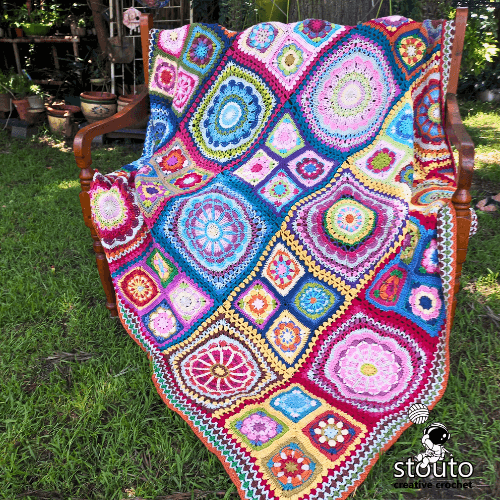
Everything You Need to Know About
Decrease Stitches
Curated Stitch Mastery Hub
Progress clearly through essential stitch families engineered with uniform gauge specifications, tension benchmarks, and symbol chart notations.
Crochet Basics & Terminology
Master comfortable hook grips, consistent slip knots, foundation chain tension, and US vs UK terminology decoders.
- Slip knots & tails
- Tension control hacks
- Hook conversions
Essential Foundation Stitches
The 5 structural building blocks: Single Crochet (sc), Half Double (hdc), Double Crochet (dc), Treble (tr), and seamless Slip Stitches.
- Straight edge turning
- Back loop only (BLO)
- Extended Double Stitch
Textured & Relief Stitches
Cushioned depth for plush blankets: Deep Waffle, Alpine ridge, Basketweave cables, and Front/Back Post stitches.
- FPdc & BPdc mechanics
- Thermal stitch walls
- Squishy waffle grids
Decorative Clusters & Shells
Tactile texture wonders: Puff stitches, Popcorn blooms, Berry clusters, Granny cluster waves, and delicate Shell borders.
- 5-loop puff tensioning
- Popped 3D popcorns
- Picot lace edgings
Decreases, Shaping & Joining
Professional structural finesse: Invisible single crochet decreases, double-crochet cluster joins, and Continuous Join-As-You-Go.
- Seamless amigurumi dec
- Flat braid motif join
- Curved corner miter
Promotions & Special Bundles
Take advantage of our maker promotions, volume discounts, and instant digital downloads.
35% Raverly Sale
Unlock row-by-row blankets, botanical squares, and wearable patterns with instant PDF delivery.
PROMO CODE : STOUTO30OFF
Get 30% off any flower motifs, throw blankets, or cushion patterns on Etsy. Use Promocode .
Open Etsy StoreVIP Maker Direct Delivery Guarantee
- Instant PDF download link right after purchase
- Formatted for home printing & tablet row-checkers
- Free errata notifications and chart expansions
Frequently Asked Questions About
Decrease Stitches
What is a decrease stitch in crochet?
A decrease stitch in crochet is a technique used to reduce the number of stitches in a row or round by combining two or more stitches into one. Decreases are commonly used for shaping garments, amigurumi, and tapered designs.
How do you decrease in crochet?
To decrease in crochet, you partially work two stitches and then finish them together. The most common method is single crochet two together (sc2tog), but decreases can be made in any stitch type.
What does sc2tog mean in crochet?
Sc2tog stands for single crochet two together. It means inserting the hook into the next stitch, pulling up a loop, then repeating in the following stitch and completing the single crochet as one stitch.
What is an invisible decrease in crochet?
An invisible decrease is a method of decreasing stitches—often used in amigurumi—by working through the front loops only of two stitches. This creates a smoother, less noticeable decrease.
Is there a decrease for double crochet?
Yes, a double crochet decrease (dc2tog) combines two double crochet stitches into one. It is commonly used in garment shaping and textured stitch patterns.
When should you use crochet decrease stitches?
Crochet decrease stitches are used when shaping items such as hats, sleeves, amigurumi, necklines, mittens, and fitted garments, or when following patterns that require stitch count reduction.
Why does my crochet decrease look bulky?
Bulky decreases are often caused by loose tension or incorrect stitch placement. Using invisible decreases, tightening loops slightly, and maintaining even tension can help create cleaner results.
What is the difference between sc2tog and invisible decrease?
Sc2tog uses both loops of each stitch and can leave a visible bump, while an invisible decrease works through front loops only, making the decrease blend seamlessly into the fabric.
Can you decrease in crochet without leaving holes?
Yes, using invisible decreases, tight tension, and correct hook placement helps reduce gaps and holes when decreasing stitches.
How do you decrease evenly in crochet?
To decrease evenly, space your decrease stitches evenly across the row or round. Patterns often specify how many stitches to work between each decrease to maintain symmetry.
Are crochet decrease stitches beginner friendly?
Yes, basic crochet decrease stitches like sc2tog are beginner friendly. With practice, more advanced decreases such as invisible or cluster decreases become easy to master.
Do crochet decreases affect stitch count?
Yes, each decrease reduces the stitch count by one (or more if specified). Keeping track of stitch counts after decrease rows is essential for accurate shaping.
What projects commonly use crochet decrease stitches?
Crochet decrease stitches are frequently used in amigurumi, hats, garments, toys, socks, and shaped accessories.
Decrease Stitches
stouto.co.za • Stouto Creative Crochet
Love These Patterns? Share & Pin for Later!
Save this pattern hub to your favorite Pinterest boards, share with your crochet circle on Facebook, or copy the link for your next crafting weekend. Every share helps support independent artisan design!
Quick Social Sharing Links
Help fellow yarn enthusiasts discover tested row-by-row guides, free pattern downloads, and mindful crochet inspiration with one click:
Favorite Yarns, Craft Partners & Recommended Blogs
Discover our trusted yarn mills, partner craft platforms, and inspiring crochet friends. When you shop through these links, you support Stouto Creative Crochet at no extra cost to you.

LoveCrafts.com
Marketplace & Yarn HubShop pattern-matched yarn bundles, Stylecraft Special DK, Paintbox Yarns, and hooks with worldwide delivery.
Ravelry Store
Digital Pattern LibraryAdd Stouto patterns straight to your personal digital library, track project queues, and view thousands of community project photos.

FreeCrochetDesigns.com
Partner Blog & GuidesExplore weekly free pattern roundups, stitch tutorials, and guest designer spotlights curated by our sister craft blog.
Stouto on Etsy
Maker MarketplaceBrowse automatic multi-buy discounts, over 750 maker reviews, and instant printable downloads.
Join Our Crochet Community
We love seeing what you create! Share photos of your finished crochet projects or works in progress on my Facebook page and connect with fellow crocheters who love handmade creativity as much as you do. Start exploring today, grab your hook, and enjoy crocheting patterns that inspire, relax, and delight, one crochet stitch at a time.