
Artisan Stitch Tutorial • Published:
Cluster
The cluster stitch is a delightful way to add texture and charm to your crochet projects. Once you understand how to control tension and maintain smooth motion when closing loops, you’ll find it easy and enjoyable to use.
This stitch pairs beautifully with openwork, shells, or puff stitches for dynamic patterns. Whether you’re making cozy blankets, stylish scarves, or intricate home décor, the cluster stitch will quickly become one of your go-to techniques for adding depth and texture.
PATTERNS AVAILABLE ACROSS OFFICIAL STORES:
ABOUT
About
.
Multiple stitches joined together at top.
Beginner’s Guide to the Crochet Cluster Stitch (US: CL, UK: CL)
The cluster stitch is a beautiful, textured crochet stitch that adds dimension and visual interest to your projects.
In both US and UK terminology, it’s often abbreviated as CL.
The cluster stitch involves working several incomplete stitches into the same stitch or space and then closing them together with a single yarn-over.
The result is a raised, puff-like group of stitches that creates a dense, decorative pattern.
Clusters can be made with different stitch heights, such as double crochet (DC) or treble (TR), depending on the desired look.
This stitch is commonly used in blankets, scarves, and decorative trims because it adds texture without being too bulky.
For beginners, learning the cluster stitch is a fun step toward mastering textured crochet techniques and developing rhythm when working multiple stitches together.
Bring your crochet projects to life with patterns from the decorative crochet stitches library
Beginner Tips
- Keep an even tension: Loops that are too tight can make it difficult to pull through all the loops at the end.
- Count carefully: Make sure you work the correct number of incomplete stitches before closing the cluster.
- Practice pulling through smoothly: When closing the cluster, pull your yarn through all loops in one even motion to avoid splitting the yarn.
- Use a larger hook for practice: This helps you see how the cluster forms and reduces hand strain.
- Try different stitch heights: Experiment with double crochet or treble crochet clusters to see how texture changes.
Common Mistakes:
- Not completing enough partial stitches: Results in smaller, uneven clusters.
- Pulling yarn too tight: Makes it hard to pull through all loops cleanly.
- Losing loops off the hook: Can cause the cluster to unravel.
- Forgetting the closing yarn-over: Leaves the cluster open instead of rounded.
- Skipping the securing chain: Can lead to gaps or uneven spacing between clusters.
Common Uses:
- Adding texture and dimension to blankets, afghans, and throws.
- Creating decorative panels in scarves and shawls.
- Forming floral or puffed motifs in granny squares and baby blankets.
- Using as accent stitches in borders and trims.
TERMINOLOGY DECODED
US vs. UK Stitch Translation Matrix
Never let terminology ruin a project. In US terms, stitches are named after the yarn overs; in UK terms, stitches are named after the loops on your hook.
US vs. UK Stitches
Horizontal Scroll Supported
| Symbol / Chart | Stitch Name | UK Equivalent | Quick Method |
|---|---|---|---|
STEP-BY-STEP CROCHET GUIDE
How to Work the Stitch: Step-by-Step
Browse through each row below or follow along round-by-round at your own pace.
Step-by-Step Instructions (US Terms):
- Yarn Over, insert your hook into the stitch or space indicated.
- Yarn over and pull up a loop (you have 3 loops on your hook).
- Yarn over and pull through 2 loops (leaving the last loop on your hook).
- Repeat steps 1–3 in the same stitch or space until you have the desired number of partially completed stitches (usually 3, 4, or 5).
- Yarn over and pull through all loops on your hook to close the cluster.
- Chain 1 if required by your pattern to secure the cluster.
UK Terms:
In UK terminology, the cluster stitch is worked the same way but with UK double crochet (DC) or treble (TR) stitches depending on the pattern.
The term and abbreviation remain the same (CL).

Limited-Time Deals
Promotions & Special Bundles
Take advantage of our maker promotions, volume discounts, and instant digital downloads.
Website Direct Sale
Ends: Promotion ends :
35% Raverly Sale
Unlock row-by-row blankets, botanical squares, and wearable patterns with instant PDF delivery.
APPLY COUPON AT CHECKOUT:
No code needed
Etsy Store Exclusive
Save 30% Auto
PROMO CODE : STOUTO30OFF
Get 30% off any flower motifs, throw blankets, or cushion patterns on Etsy. Use Promocode .
Open Etsy Store
Over 847 ★★★★★ reviews
Direct PDF Perks
Lifetime Access
VIP Maker Direct Delivery Guarantee
- Instant PDF download link right after purchase
- Formatted for home printing & tablet row-checkers
- Free errata notifications and chart expansions
Crochet Stitch Tutorials
CROCHET STITCH
Cluster
stouto.co.za • Stouto Creative Crochet
Save for Later
Sharing is Caring
Love These Patterns? Share & Pin for Later!
Save this pattern hub to your favorite Pinterest boards, share with your crochet circle on Facebook, or copy the link for your next crafting weekend. Every share helps support independent artisan design!
Quick Social Sharing Links
Help fellow yarn enthusiasts discover tested row-by-row guides, free pattern downloads, and mindful crochet inspiration with one click:
Bookmark Tip: Press Ctrl + D / Cmd + D to save anytime.
#StoutoCreativeCrochet #CrochetStitches #StitchTutorials #Cluster

About the Designer
Hi, I'm Linda, the designer behind Stouto Creative Crochet. I create original crochet patterns inspired by colour, texture, and the joy of handmade crafts.
Each pattern is personally designed, written, tested, and photographed to provide clear instructions and an enjoyable crochet experience. My goal is to help crocheters of all skill levels create beautiful projects they can be proud of.
Discover more crochet patterns, tutorials, and creative resources from Stouto Creative Crochet.
Affiliate Partners & Maker Resources
Favorite Yarns, Craft Partners & Recommended Blogs
Discover our trusted yarn mills, partner craft platforms, and inspiring crochet friends. When you shop through these links, you support Stouto Creative Crochet at no extra cost to you.
Transparent Disclosure: We only partner with platforms and yarn makers we genuinely use and love.
Official Partner

LoveCrafts.com
Marketplace & Yarn HubShop pattern-matched yarn bundles, Stylecraft Special DK, Paintbox Yarns, and hooks with worldwide delivery.
Pattern Community
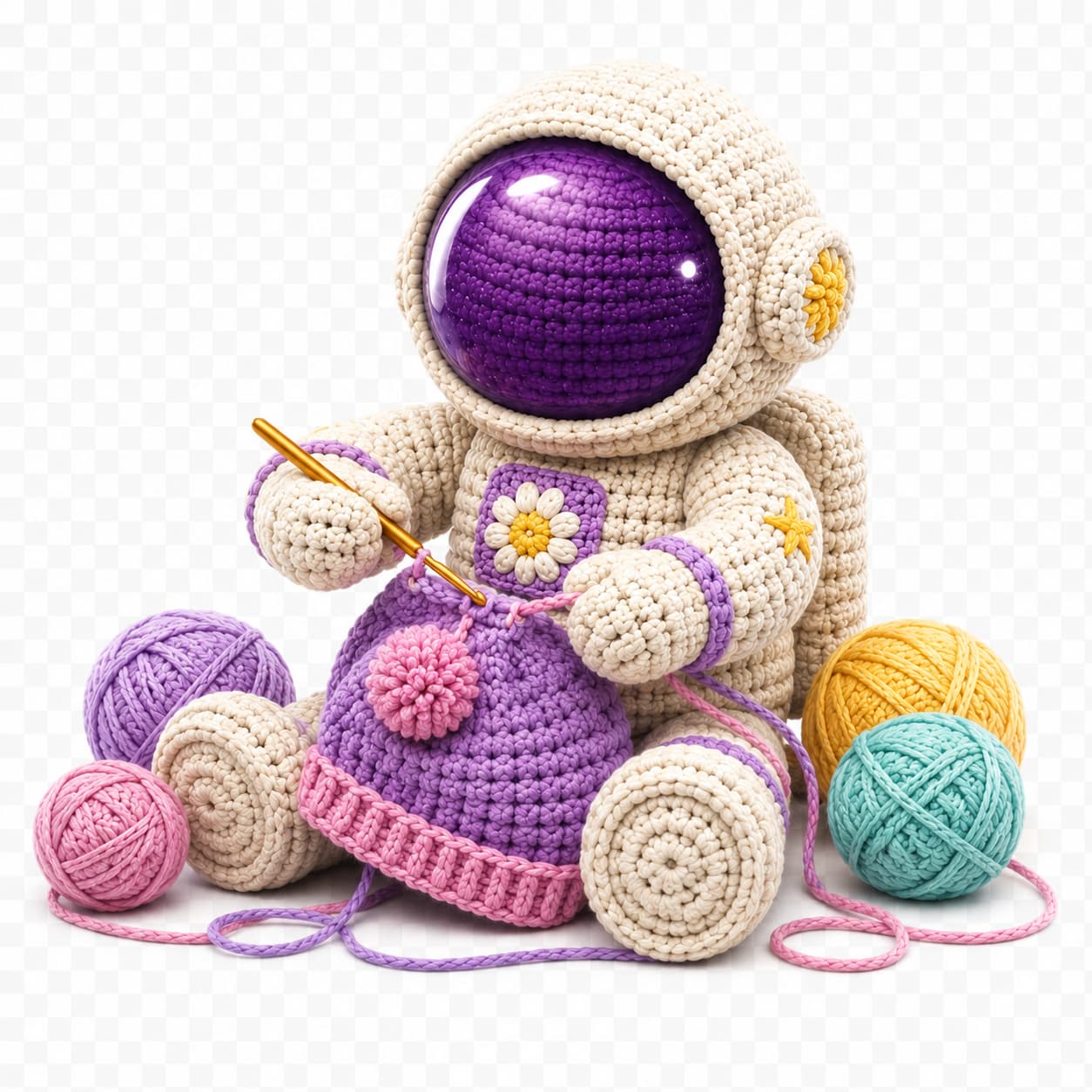
Ravelry Store
Digital Pattern LibraryAdd Stouto patterns straight to your personal digital library, track project queues, and view thousands of community project photos.
Featured Craft Blog
FreeCrochetDesigns.com
Partner Blog & GuidesExplore weekly free pattern roundups, stitch tutorials, and guest designer spotlights curated by our sister craft blog.
Star Seller
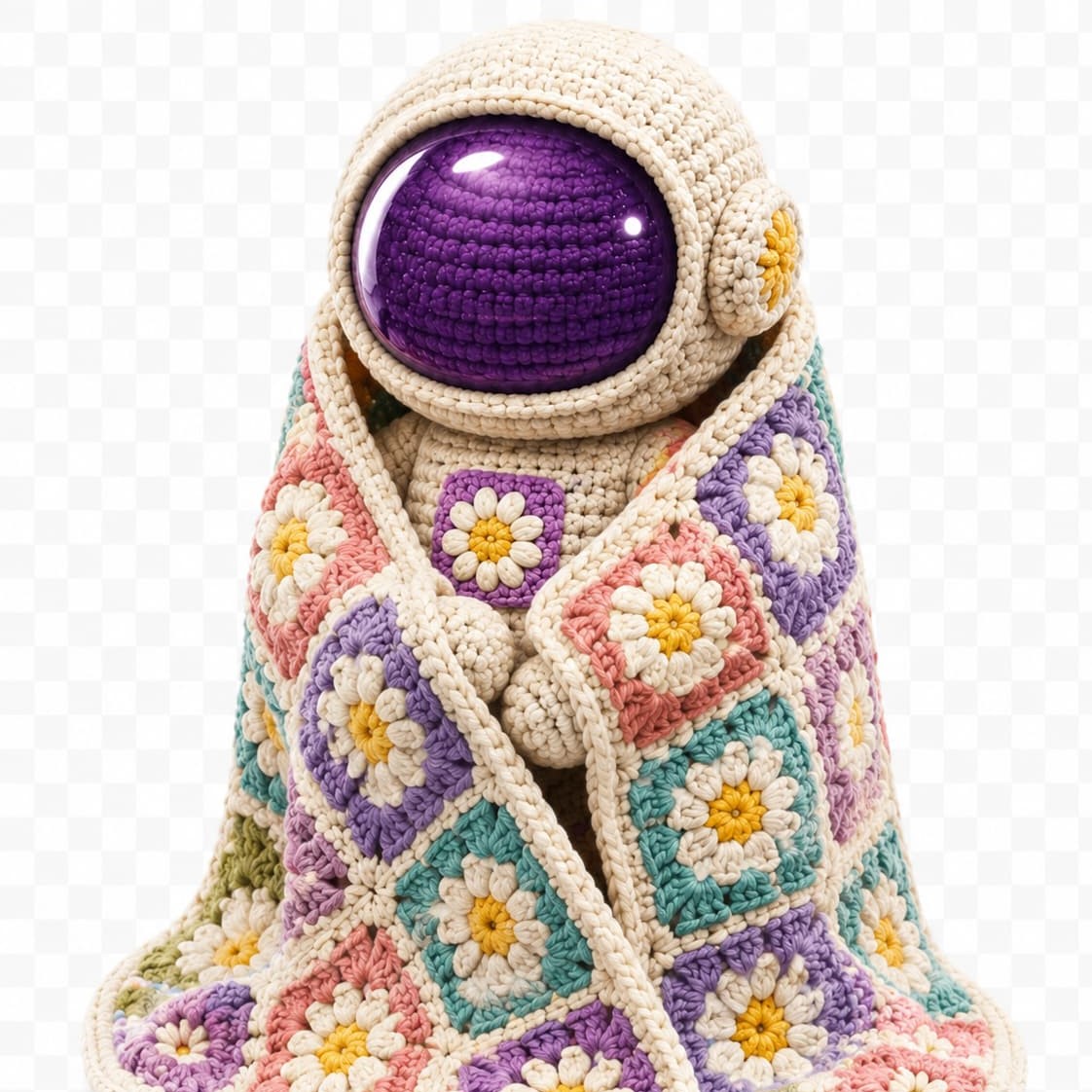
Stouto on Etsy
Maker MarketplaceBrowse automatic multi-buy discounts, over 750 maker reviews, and instant printable downloads.
Featured Maker Blogs & Community Friends:
#StoutoCreativeCrochet
Join Our Crochet Community
We love seeing what you create! Share photos of your finished crochet projects or works in progress on my Facebook page and connect with fellow crocheters who love handmade creativity as much as you do. Start exploring today, grab your hook, and enjoy crocheting patterns that inspire, relax, and delight, one crochet stitch at a time.